
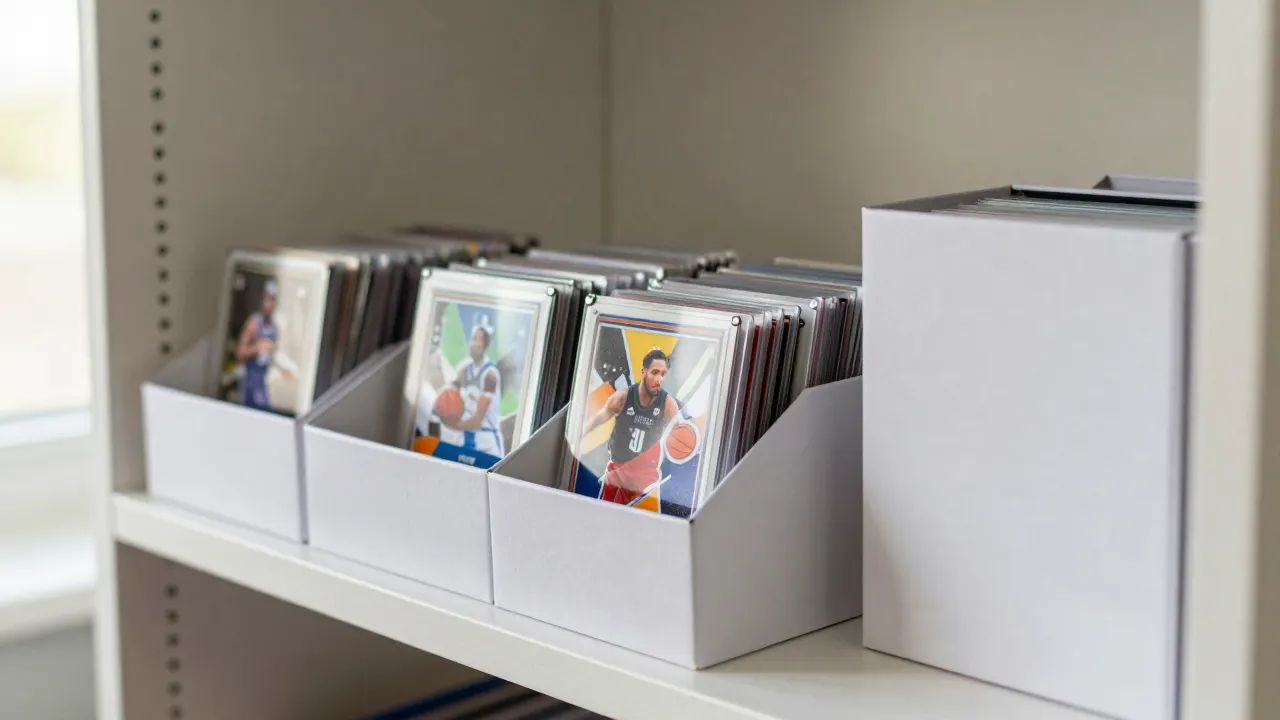
You pull a card out of a drawer after a few years and the corners are soft, the surface is scuffed, and it no longer sits flat. Knowing how to store trading cards long term is mostly about preventing those slow problems: bending, rubbing, heat, and moisture. None of it requires expensive gear, and the same setup works for a shoebox of commons or a shelf of valuable cards.
Step 1: Sort before you store
Storage is easier once you know what you have. A simple three-group sort works well:
- Bulk: common cards you keep for fun or for trading.
- Keepers: cards you like or want to protect but do not plan to display.
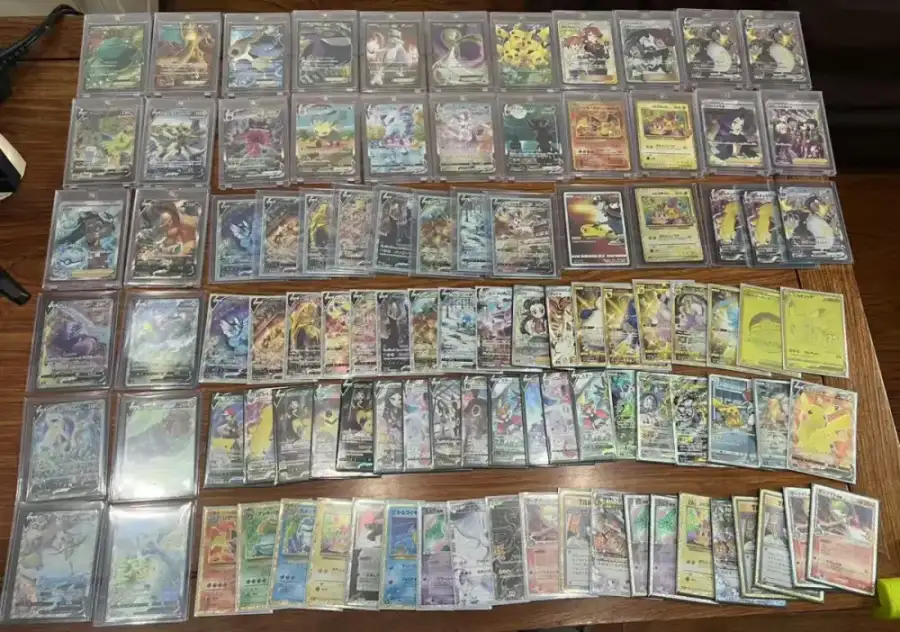
- Valuable or favorite cards: the ones you would be upset to lose or damage.
Each group gets a different level of protection, which saves money and space. If a card might be worth grading later, our PSA vs BGS vs CGC comparison explains what graders look for.
Step 2: Store bulk in card storage boxes
Cardboard storage boxes made for trading cards are the standard choice for bulk. They are usually labeled by count, meaning the number of standard cards they hold. Store cards upright, packed snugly enough that they do not slide around, but not so tight that you have to force cards in or out. Use dividers to separate sets, players, or games.
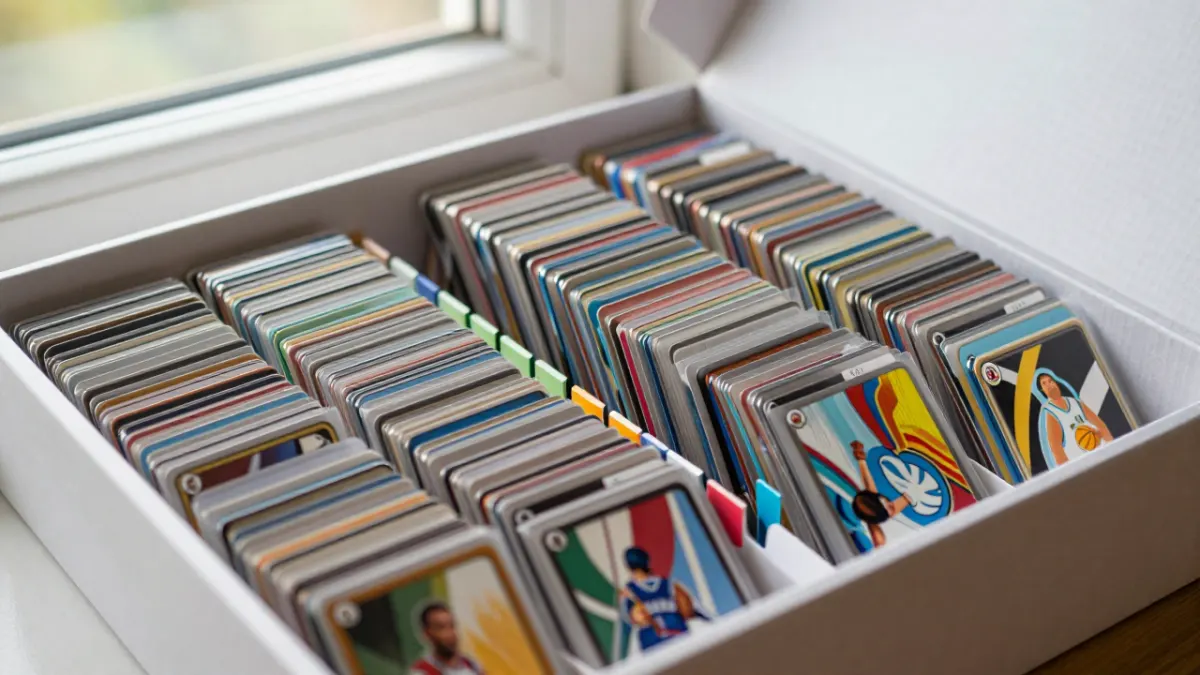
Avoid rubber bands. They dent the edges of the top and bottom cards and can leave marks as they age.
Step 3: Sleeve the cards you want to keep
For keepers, a penny sleeve is an inexpensive way to keep fingerprints and scratches off the surface. Look for sleeves labeled acid-free and PVC-free. For valuable cards, add a toploader after the sleeve to prevent bending. Our penny sleeves vs toploaders breakdown explains when to use each.
Step 4: Use binders the right way
Binders are good for sets you want to flip through. A few habits keep them from causing damage:
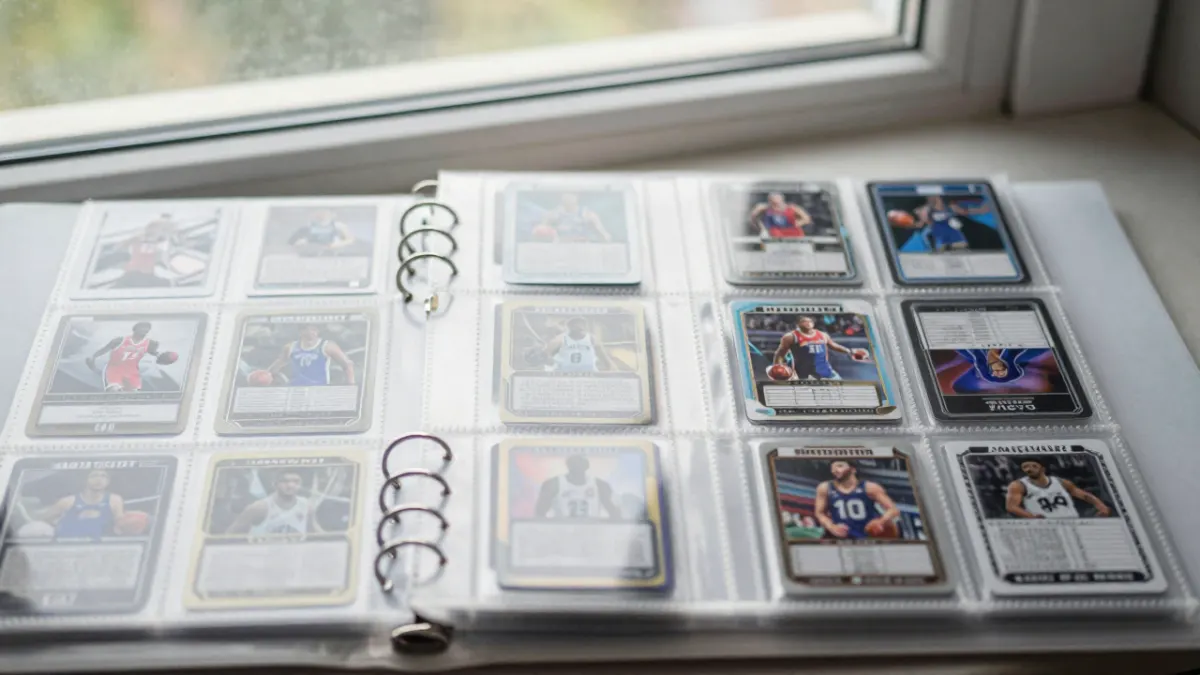
- Choose side-loading pages so cards are less likely to slide out of the top.
- Prefer D-ring binders over O-ring binders. Pages in a D-ring binder lie flatter, which reduces pressure on cards near the rings.
- Do not overfill. An overstuffed binder puts pressure on the cards near the spine.
- Store binders upright on a shelf, like books, rather than in a tall stack.
- One card per pocket. Putting two cards back to back in one pocket can scuff both.
Step 5: Pick the right place to store trading cards
Where you keep cards matters as much as what you keep them in.
- Keep it cool and dry. A closet shelf in a living space is usually better than an attic, garage, or basement, where temperature and humidity swing more.
- Keep it out of direct sunlight. Light can fade card colors over time, especially for cards on display.
- Keep it off the floor. A small leak or spill is less likely to reach a shelf.
- Consider desiccant packs in closed storage boxes if your home tends to be humid. Replace or recharge them as the package directs.
Step 6: Handle cards carefully
- Wash and dry your hands before handling valuable cards.
- Hold cards by the edges, not the face.
- Work on a clean, flat surface.
- Keep food and drinks away from your sorting area.
Step 7: Keep a simple inventory
A basic spreadsheet or a collection-tracking app helps you know what you have and where it is. Note the box or binder each valuable card lives in. If you ever need to file an insurance claim, photos and a list make the process easier.
Common card storage mistakes to avoid
- Storing cards loose in drawers, where they bend and rub together.
- Using old photo albums or sleeves of unknown material.
- Packing boxes so tightly that cards bend when you pull them out.
- Leaving display cards in a sunny window.
One last habit worth building: check your storage boxes once or twice a year. A quick look for dampness, warped cardboard, or a desiccant pack that needs replacing catches problems long before they reach the cards.